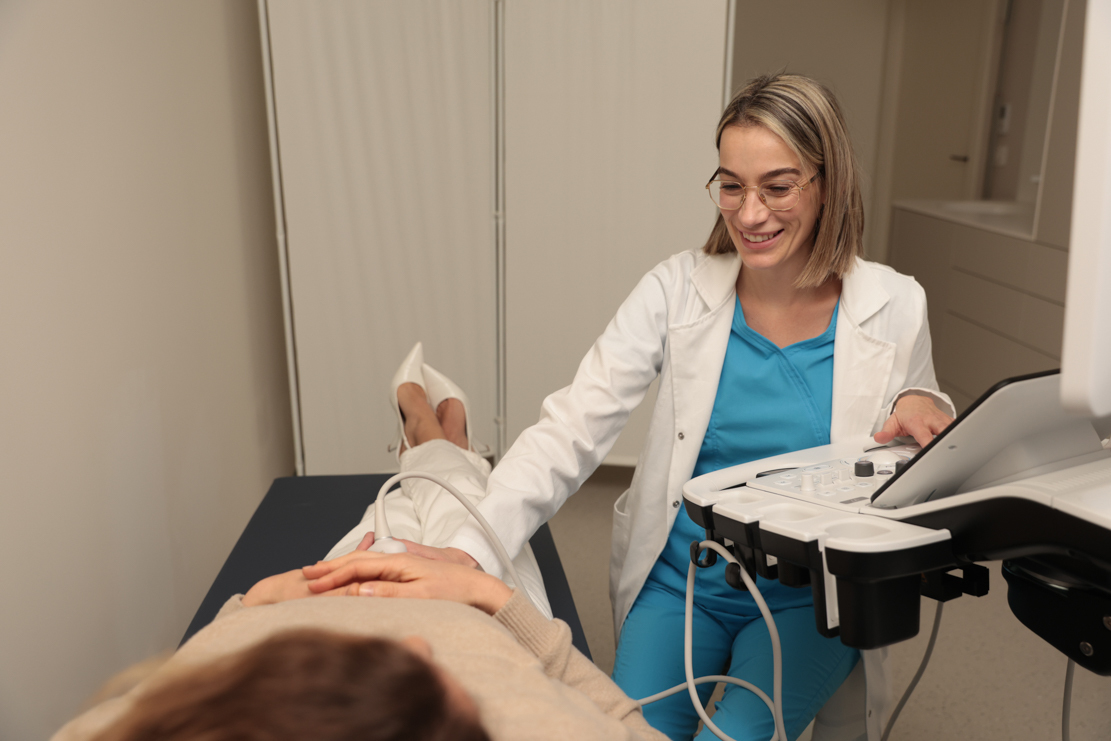



Health is often judged at first glance or based on a subjective feeling. People frequently assume they are perfectly healthy based solely on their physical appearance and fitness level. A toned body, good muscle definition, and the ability to run a marathon or complete a grueling gym workout have become universal, yet deceptive, symbols of well-being. However, there are many silent, completely invisible symptoms occurring deep within the body without us even realizing it. The subjective sensation of feeling good and the fact that we look “fit” are, unfortunately, not always a guarantee that our body is truly functioning flawlessly.
Good Fitness and Poor Nutritional Status: Why Weight and BMI Aren't Always Measures of Health
Social media has largely normalized the idea that one’s health status can be directly assessed through physical appearance and body mass index (BMI). However, BMI is merely a basic indicator that can very often be misleading. It does not take into account crucial physiological factors, such as the percentage and distribution of muscle mass, bone density, the proportion of visceral fat (fat stored around internal organs), or hydration levels. It is entirely possible to have an “ideal” number on the scale while simultaneously suffering from a severe deficiency in essential micronutrients, vitamins, and minerals required for basic cellular functions.
Furthermore, dangerous eating disorders like anorexia, bulimia, or specific forms of malnutrition caused by rigorous “fitness” diets may not always be physically obvious at first glance. Some individuals may appear exceptionally athletic, while their bodies are actually breaking down from the inside out due to dietary restrictions and overtraining.
In the long run, operating this way slows down the metabolism, drastically disrupts hormonal balance, and exhausts the immune system, proving that superficial muscle definition does not equate to optimal physical nourishment.
Compromised Mental Health Eventually Destroys Physical Health: An Importance We Must Not Forget
“When discussing overall health, mental hygiene must not be sidelined as a secondary concern,” warns Dr. Anđelka Stanojević. Global trends show an alarming rise in mental illness.
According to official reports from the World Health Organization (WHO), the prevalence of depression and anxiety has been steadily increasing over the last decade, with a spike of over 25% in the first year of the global pandemic alone, leaving hundreds of millions of people with these diagnoses. In Serbia, the data are equally concerning. Research indicates that almost a third of the population is dealing with some form of psychological vulnerability, while the prevalence of depressive symptoms affects a significant portion of the nation.
It is important to understand that mental health is inextricably linked to, and equally as important as, physical health. Over time, chronic stress, unrecognized depression, or anxiety biologically translate into very tangible physical consequences.
Prolonged psychological distress elevates inflammation levels in the body, causes severe insomnia, weakens the immune system, and significantly increases the risk of cardiovascular and autoimmune diseases. Being “physically fit” while neglecting your mental state is like building a house without a foundation. Sooner or later, invisible psychological cracks will compromise daily functioning and manifest as physical illness.
Silent Symptoms: Why True Diagnosis Requires Medical Examination
The greatest threats to our health do not always announce themselves with severe pain or obvious warning signs. Many serious conditions are called “silent killers” for a reason, as they can develop within the body completely unnoticed for years.
For example, it is estimated that nearly 46% of adults with hypertension (high blood pressure) are completely unaware they have this condition. The data for diabetes are similar, with the International Diabetes Federation (IDF) warning that almost half of all people living with diabetes globally remain undiagnosed. These unrecognized conditions cause daily, irreparable damage to blood vessels and vital organs.
Such silent damage can lead to a myocardial infarction (heart attack) that does not even hurt. Frightening statistics from the American Heart Association (AHA) show that up to 45% of all heart attacks are “silent,” occurring without the characteristic chest pain or tightness, yet leaving serious, life-threatening damage to the heart muscle.
Aside from the cardiovascular system, chronic kidney disease (CKD) is another condition that often goes unnoticed; in the early stages, the vast majority of patients experience absolutely no symptoms until their kidneys begin to seriously fail.
We must also not forget sexually transmitted diseases (STDs). Infections like chlamydia very often reside in the body completely asymptomatically. If left undetected, they can lead to chronic pelvic inflammatory disease (PID), permanent health complications, and infertility over the long term.
Schedule a Preventive Check-Up and be Certain About your Health
True health cannot and should not be determined solely based on a subjective feeling, a number on the scale, or an exceptional physical appearance in the mirror. A true picture of your body’s condition can only be obtained through professional medical evaluation, precise laboratory analyses, and regular check-ups. Do not wait for your body to start failing, or for silent symptoms to escalate into loud diagnoses, before seeking a doctor’s help.
Stay ahead of illness and take real control of your life. Schedule your preventive check-up at Primea. Our dedicated and expert team of general practitioners and specialists is here to listen to you and thoroughly examine your physical condition. Book your appointment today and be absolutely certain that your statement “I am fit” truly means “I am completely healthy.”