
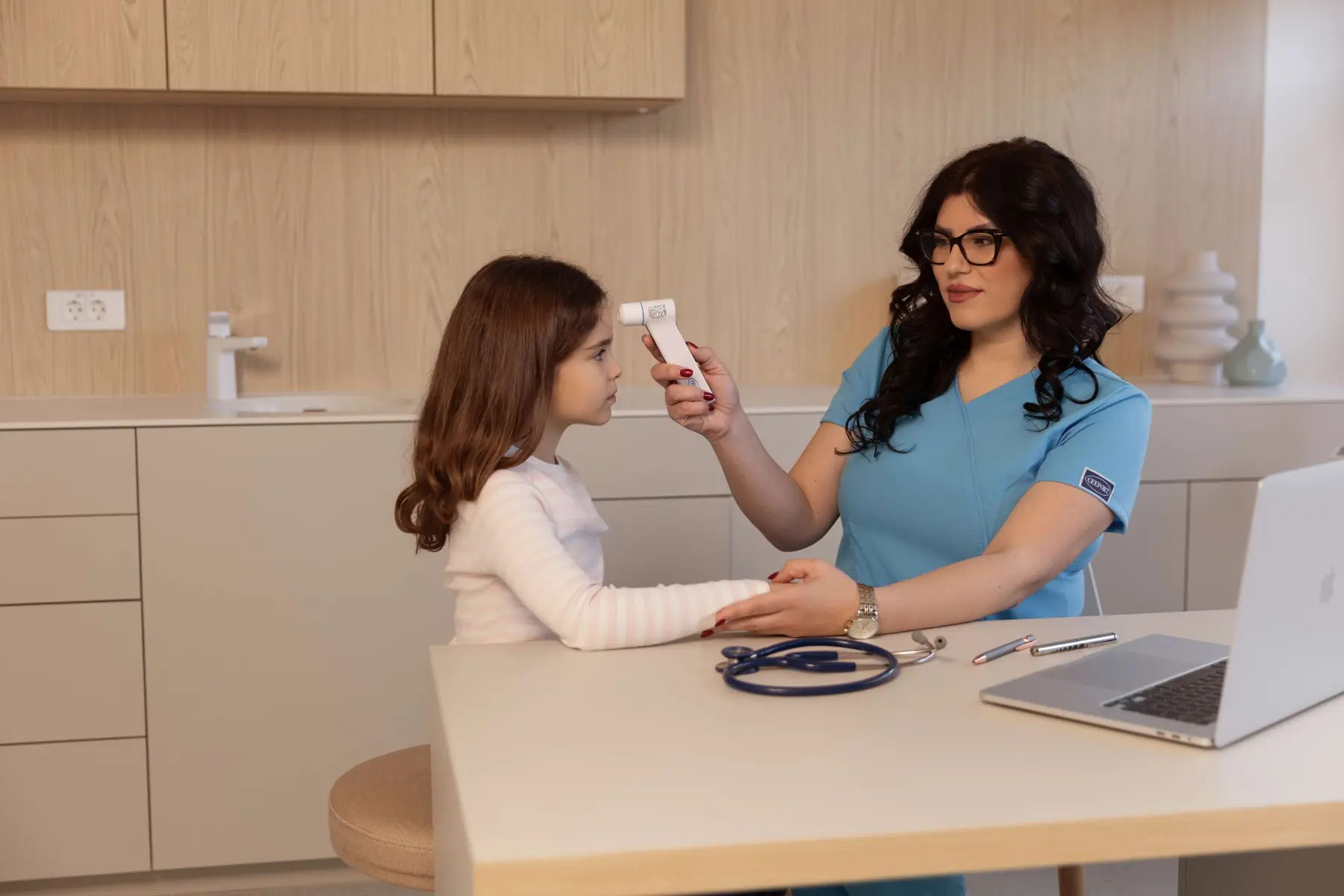


High temperature, or fever, is one of the most common health concerns in infants and children, and it’s a frequent reason parents visit a pediatrician. On average, toddlers experience five to seven occurrences of high fever per year. Fortunately, most fevers are mild and can be managed at home, with serious complications occurring in only about 1 in 100 children. Knowing how to recognize and respond to a fever can help your child recover safely and comfortably.
Recognizing the very first signs
Infants and young children cannot always communicate how they feel. Parents need to pay attention to changes in behavior that may indicate fever. Early signs include fatigue or malaise, glassy eyes, irritability, and increased crying. Feeling the child’s temples, chest, or back of the neck can help identify if they feel unusually warm.
Measuring temperature with a thermometer provides a precise way to confirm fever. Digital, non-contact, and traditional mercury thermometers are all effective.
Normal body temperature in children ranges from 36.5°C to 37.5°C, with slight fluctuations throughout the day and typically 0.5°C higher in the evening. Temperatures between 37.5°C and 38°C are considered elevated, but a fever that requires attention is 38°C to 38.5°C.
Fighting the fever at home
As the most important caregivers, parents must sometimes play the role of doctor at home, at least while things are still manageable. But it can be hard sometimes keeping track of what is the right thing to do, especially during the internet era, where parents are bombarded with various advice and information. Such is the case for managing high fever in children, with alcohol and vinegar swabs sometimes being suggested for lowering fever in children. However, these are not effective or recommended ways to lower high fever in children, as these methods are dangerous and can cause serious health issues.
Instead, lukewarm baths or showers can help reduce fever safely. If medication is necessary, paracetamol syrup is recommended for younger children. A general guideline is half a milliliter per kilogram of body weight, given every four hours. For example, a child weighing 12 kg can safely receive 6 mL of paracetamol. Ibuprofen may be used in older children every six hours, but always follow dosing instructions carefully and use caution in younger children.
Hydration is essential. Children with fever lose fluids quickly and are at risk of dehydration, particularly infants and toddlers. Encourage frequent fluids, including water, milk, or electrolyte solutions as appropriate.
When is it time to see the pediatrician
Fever is often a sign of an acute viral or bacterial infection, such as respiratory infections, gastrointestinal infections, or urinary tract infections. Rarely, it may indicate a chronic illness.
Most fevers resolve with home care, but parents should see a doctor if:
- The fever does not decrease after 2–3 hours of home care.
- The fever persists above 38°C for more than 24 hours, even if slightly reduced. This period is necessary for any meaningful health parameters to show up; therefore, going to the doctor earlier may not allow for identifying the origin of the fever.
- The child shows signs of dehydration, including dry eyes, a white-coated tongue, or a sunken fontanelle in infants.
Monitoring these signs ensures your pediatrician can accurately assess your child and provide the best treatment if needed.
Even though fever is a common and usually manageable symptom, it can be worrying for parents. If you’re unsure, concerned, or notice persistent high temperature or other warning signs in your child, it’s always best to contact our pediatricians. Our team can guide you, provide reassurance, and ensure your child stays safe and healthy.