

Most of us grew up hearing about “good” and “bad” food, and diets that require iron-clad discipline. Over time, we learned to feel guilty after every sweet treat, turning meals into a source of stress. But it’s time to change that narrative.
Food is not our enemy; it is our primary fuel. In this blog, we will break down toxic habits and nutrition myths, and show you how to nourish your body so that you truly feel your best.
A Shift in Mindset: Food as Fuel
The first step toward a healthy relationship with food is understanding its role. Just as a car needs high-quality fuel to run smoothly, your body needs nutrients to function, have energy, and fight off illnesses.
When you decide to reduce your intake of highly processed foods (fast food, snacks, commercial sweets), you shouldn’t view it as a punishment or depriving yourself of something enjoyable. On the contrary, choosing foods rich in vitamins and minerals is a reward you give your body for everything it does for you every day.
Sugar Myths: Is It Really "White Death"?
“One of the most common myths is that sugar is inherently bad. The truth is that glucose (the basic form of sugar) is the main fuel for our brain and cells. The problem lies in the amount, the type, and the speed at which that sugar is absorbed,” says Dr. Neda Crnjak.
- Empty calories vs. nutrients: White, refined sugar gives the body quick energy without any vitamins or fiber. On the other hand, sugar from fruit comes packaged with fiber, which slows down its absorption.
- Insulin and energy crashes: When you eat a sweet, your blood sugar spikes suddenly, triggering a strong release of insulin. Insulin quickly drops that blood sugar, which is why you soon feel immense fatigue and a new, even stronger sense of hunger. Chronic blood sugar spikes, and consequently insulin, can lead to serious metabolic abnormalities such as insulin resistance and diabetes.
- Carbohydrate addiction: The combination of refined sugar and fat (common in processed foods) triggers a strong release of dopamine in the brain. Your body craves more, creating a feeling of addiction.
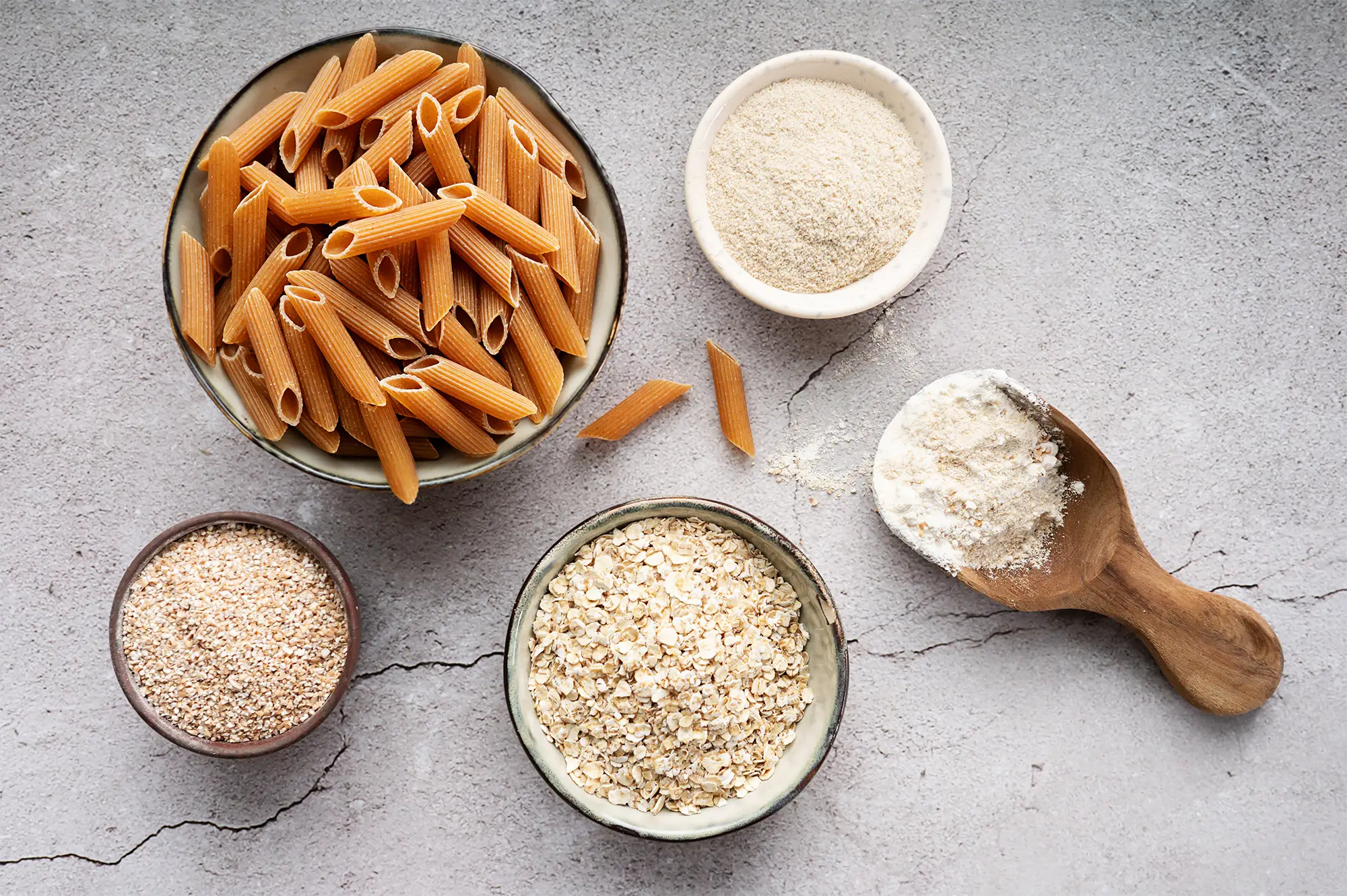
- Why alternatives are better: Complex carbohydrates (whole grains, legumes, vegetables) and healthy alternatives to sugar are digested more slowly. They keep your blood sugar stable, prevent hunger pangs, and keep you full for hours.
Starving yourself is never the answer for weight loss or health. The answer lies in making smart fuel choices that won’t wreak havoc on your body’s insulin levels.
Macronutrients: What Do We Really Need?
A healthy diet requires a balance of all three macronutrients. General medical recommendations for a healthy adult typically look like this:
- Carbohydrates (45% to 65% of daily calories): Our main source of energy. Opt for complex carbohydrates instead of simple sugars.
- Proteins (10% to 35% of daily calories): The building blocks for muscles, immunity, and hormones. Meat, fish, eggs, tofu, and legumes are excellent sources.
Fats (20% to 35% of daily calories): Essential for brain health, vitamin absorption, and hormonal balance. Focus on olive oil, nuts, and avocados.
How Do Needs Differ?
Nutritional needs are not one-size-fits-all; they change depending on gender, age, and goals:
- Physical goals and activity: If you want to build muscle mass or are highly physically active, your body needs significantly more protein for muscle recovery, as well as a higher total calorie intake to support that effort.
- Female needs: Women, especially in their reproductive years, have higher needs for iron (due to the menstrual cycle) and calcium (to protect bone density in later years). Folic acid is also crucial.
Male needs: Due to a generally higher percentage of muscle mass, men often have higher caloric needs, as well as a greater demand for zinc, which is important for testosterone levels.
Intuitive Eating and Listening to Your Body
Breaking away from toxic diets means turning to intuitive eating. This involves recognizing the signals your body is sending you.
Learn to distinguish between physical hunger (a rumbling stomach, an energy crash) and emotional hunger (craving snacks when you are bored or stressed). Your body will also let you know if it is lacking something: chronic fatigue, hair loss, or brittle nails can be signs of a nutritional deficit, while feeling lethargic after a meal indicates overeating or eating food that is too heavy.
Meal Rhythm and Hydration
A healthy eating rhythm does not mean strict rules like “don’t eat after 6 PM,” but rather regularity. Skipping meals leads to starvation and subsequent overeating. Try to have evenly spaced meals that keep your blood sugar stable.
Also, don’t forget water. We often confuse thirst with hunger. Adequate water intake (about 2 to 2.5 liters a day, depending on activity levels) is essential for digestion, detoxification, and energy.
The Key is Balance, Not Perfection
Consistency doesn’t mean you have to eat “100% clean” every single day. If you completely forbid yourself from eating your favorite foods, you will only intensify your cravings for them. The golden rule is 80/20: let 80% of your diet consist of whole, nutrient-dense foods (vegetables, fruits, proteins, healthy fats, and whole grains), and leave 20% for flexibility and foods you eat purely for pleasure.
It's Time to Take Control of Your Health
Learning how to listen to your body and give it exactly what it needs can be challenging, especially if you have been stuck in a cycle of restrictive diets and overeating for years. There is no need to navigate this alone or rely on unverified advice from the internet.
Schedule a consultation with our expert team at Primea. Our doctors will help you understand your individual nutritional needs, resolve weight and digestion issues, and create a personalized nutrition plan that will restore your energy. Together, we can build a plan where food becomes your greatest ally in achieving health and vitality.